
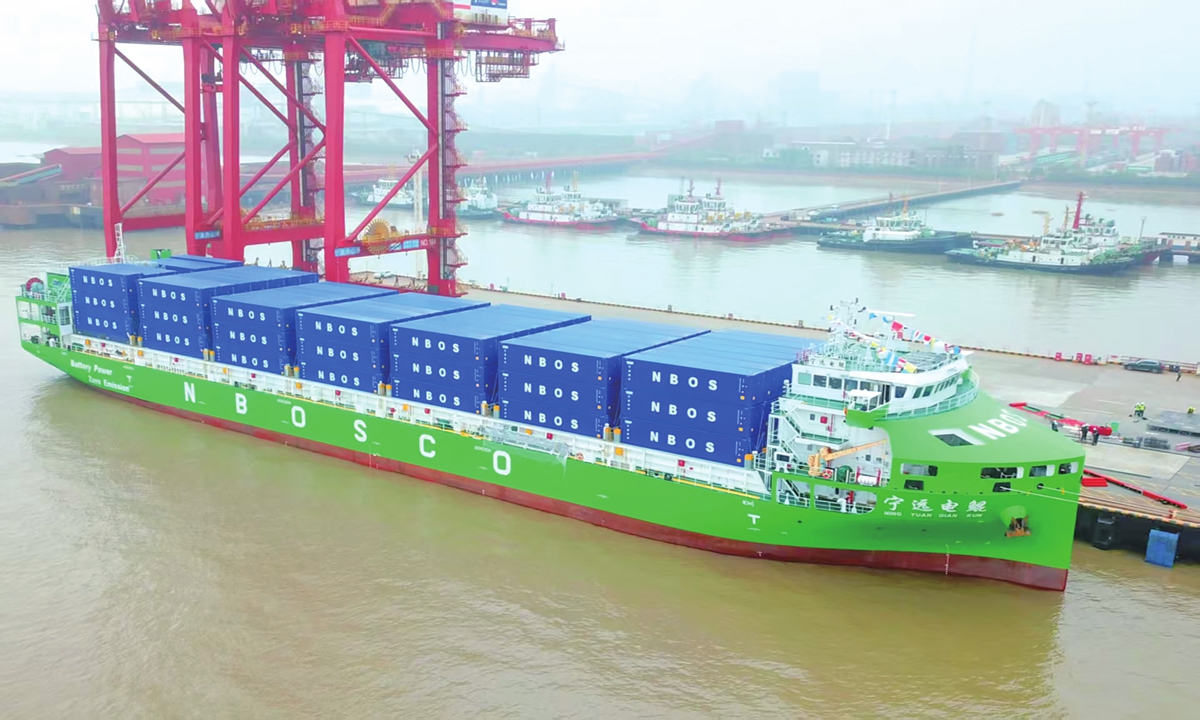
The maritime industry has reached a significant milestone with the official delivery of the world’s largest all-electric container vessel. This development signals a major shift toward zero-emission logistics and sustainable supply chain management, offering a glimpse into the future of carbon-neutral international trade.
Key Takeaways
- The delivery marks the operational debut of the world’s largest all-electric container vessel, a breakthrough in maritime engineering.
- Zero-emission propulsion technology is transitioning from small-scale pilots to large-capacity commercial shipping.
- Logistics managers must now factor in green vessel availability when planning ESG-compliant supply chains.
- The shift toward electrification is expected to influence port infrastructure requirements and regional trade lane strategies.
The Shift Toward Zero-Emission Maritime Logistics
The delivery of this all-electric container vessel represents a pivotal moment in the global effort to decarbonize the shipping industry. For decades, the maritime sector has relied heavily on fossil fuels, contributing significantly to global carbon emissions. The introduction of a large-scale electric vessel proves that high-capacity cargo transport is possible without the use of traditional internal combustion engines.
This transition is driven by both regulatory pressure and a growing demand for sustainable logistics solutions. As international bodies like the IMO set stricter targets for greenhouse gas reductions, the deployment of an all-electric container vessel provides a concrete pathway for carriers to meet these goals. Shippers are increasingly looking for ways to reduce their Scope 3 emissions, and green shipping is a primary lever in that strategy.
Operational Significance of Large-Scale Electric Vessels
The operational impact of an all-electric container vessel extends beyond simple emission reductions. These ships often feature advanced battery technology and energy management systems that can optimize transit efficiency. By eliminating the need for bunker fuel, carriers can potentially stabilize operational costs against the volatility of global oil markets, although initial capital expenditures remain high.
Furthermore, the delivery of the world’s largest vessel in this category suggests that the technology is scalable. While early electric ships were limited to short-sea shipping or ferry routes, this new generation is designed for more substantial cargo volumes. This scalability is essential for the technology to have a measurable impact on global trade capacity and freight rate structures over the long term.
Strategic Advantages for Modern Shippers and Exporters
For procurement teams and supply chain planners, the availability of an all-electric container vessel offers a distinct competitive advantage. Companies that prioritize green logistics can enhance their brand reputation and meet the strict sustainability requirements of modern consumers. Integrating these vessels into a service network allows for more accurate carbon reporting and a verifiable reduction in the environmental footprint of every container moved.
As a company specializing in international freight forwarding, M.T.L Worldwide Transport closely monitors these technological shifts to ensure our clients can leverage the latest advancements in sustainable logistics. We recognize that the delivery of such a vessel is not just a technical achievement but a strategic shift in how global capacity is managed and marketed to environmentally conscious stakeholders.
The Future of Sustainable Freight Forwarding
Looking ahead, the success of this all-electric container vessel will likely accelerate the development of charging infrastructure at major ports. The industry is moving toward a model where “green corridors” connect major trade hubs, supported by renewable energy sources. This infrastructure is critical for the widespread adoption of electric propulsion in international freight.
In conclusion, the delivery of the world’s largest all-electric container vessel is a clear indicator that the maritime industry is entering a new era. Shippers who stay informed about these developments will be better positioned to navigate the complexities of a changing regulatory landscape and a market that increasingly values sustainability alongside speed and cost.
Frequently Asked Questions
What is an all-electric container vessel?
An all-electric container vessel is a cargo ship that uses electric motors powered by batteries instead of traditional diesel engines. These ships produce zero direct emissions during operation, making them a key component of green shipping initiatives.
How does the delivery of electric ships impact ESG goals?
The delivery of these vessels allows shippers to measurably reduce their Scope 3 emissions. By choosing carriers that utilize zero-emission technology, companies can meet their environmental, social, and governance (ESG) targets more effectively.
Are all-electric vessels suitable for long-haul international trade?
Currently, most large all-electric vessels are optimized for regional or short-sea trade lanes due to battery range limitations. However, the delivery of the world’s largest electric vessel indicates that the technology is scaling toward larger capacities and longer routes.