
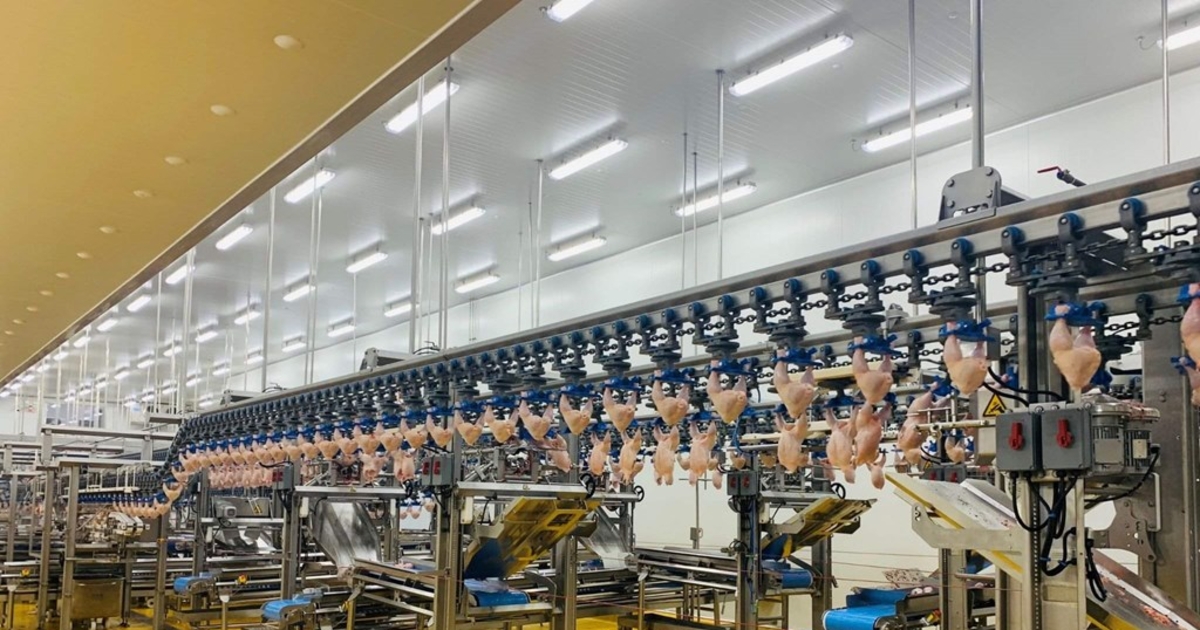
The recent official announcement regarding exporting processed chicken to South Korea marks a pivotal moment for Vietnam’s agricultural sector. This milestone signifies that Vietnamese poultry products have successfully met some of the most stringent food safety and quarantine standards in the global market, opening up significant trade opportunities between the two nations.
Key Takeaways
- Vietnam has officially commenced the export of processed chicken products to the South Korean market.
- Compliance with South Korea’s Animal and Plant Quarantine Agency (APQA) standards is mandatory.
- High-standard cold chain logistics are essential for maintaining product integrity during transit.
- Exporters must secure specific health certificates and adhere to rigorous heat treatment protocols.
The Regulatory Landscape and APQA Standards
To successfully navigate the process of exporting processed chicken to South Korea, shippers must first understand the rigorous regulatory framework established by the South Korean Animal and Plant Quarantine Agency (APQA). Unlike raw poultry, processed chicken must undergo specific heat treatment processes to ensure the elimination of avian pathogens, a requirement that is strictly monitored by both Vietnamese and Korean authorities.
The approval process involves multiple stages of inspection, including facility audits and sample testing. Only facilities that have been officially registered and cleared by the Department of Animal Health in Vietnam and subsequently recognized by South Korean authorities are eligible to participate in this trade lane. This ensures that every shipment meets the high expectations of Korean consumers and regulatory bodies.
Logistics and Cold Chain Requirements
When exporting processed chicken to South Korea, the role of specialized logistics cannot be overstated. Processed poultry products are highly sensitive to temperature fluctuations, requiring a seamless cold chain from the processing plant to the final distribution center in Seoul or Busan. Maintaining a consistent deep-freeze environment—typically at -18°C or lower—is critical to preventing spoilage and ensuring food safety.
As a logistics provider specializing in cold chain solutions, M.T.L Worldwide Transport closely monitors these regulatory requirements to ensure seamless transit for Vietnamese agricultural products. Shippers are advised to utilize high-specification reefer containers equipped with real-time temperature monitoring and GPS tracking. Any deviation in temperature during the sea voyage can lead to the rejection of the entire cargo upon arrival at Korean ports, resulting in substantial financial losses.
Documentation and Customs Clearance
The administrative aspect of exporting processed chicken to South Korea requires meticulous attention to detail. Key documents include the Veterinary Health Certificate issued by Vietnam’s Department of Animal Health, which must explicitly state the heat treatment parameters applied to the product. Additionally, a Certificate of Origin (often under the VKFTA or AKFTA) is necessary to benefit from preferential tariff rates.
Customs clearance in South Korea is known for its efficiency but also its strictness regarding documentation accuracy. Discrepancies between the health certificate and the actual cargo labeling can trigger mandatory hold periods or laboratory re-testing. Shippers should work closely with their freight forwarders to verify all paperwork at least 48 hours before the vessel’s departure from Cat Lai or Hai Phong ports.
Strategic Implications for Vietnamese Shippers
The opening of the South Korean market provides a strategic hedge for Vietnamese poultry producers, allowing them to diversify their export portfolios beyond traditional markets like Japan or Hong Kong. This move is expected to drive investment in advanced processing technologies within Vietnam, as companies strive to maintain the high standards required for the Korean market.
Furthermore, the successful establishment of this trade route sets a precedent for other processed meat products. As the livestock industry matures, we anticipate a broader range of Vietnamese value-added agricultural goods entering the Northeast Asian market. Shippers who invest in compliance and robust supply chain partnerships now will be best positioned to capture long-term growth in this lucrative sector.
Câu hỏi thường gặp (FAQ)
What are the primary requirements for exporting processed chicken to South Korea?
Exporters must ensure products undergo specific heat treatment to eliminate pathogens, and facilities must be registered with both Vietnamese and South Korean quarantine authorities (APQA). A Veterinary Health Certificate and a valid Certificate of Origin are also mandatory for every shipment.
Which Vietnamese ports are typically used for poultry exports to Korea?
Most processed poultry shipments originate from major hubs like Cat Lai Port in Ho Chi Minh City or Hai Phong Port in the north, utilizing specialized reefer containers to reach South Korean destinations such as Busan or Incheon.
How critical is temperature control for these shipments?
Temperature control is absolute; processed chicken must be maintained in a continuous cold chain, usually at -18°C. Any break in the cold chain can lead to immediate cargo rejection by South Korean food safety inspectors.