
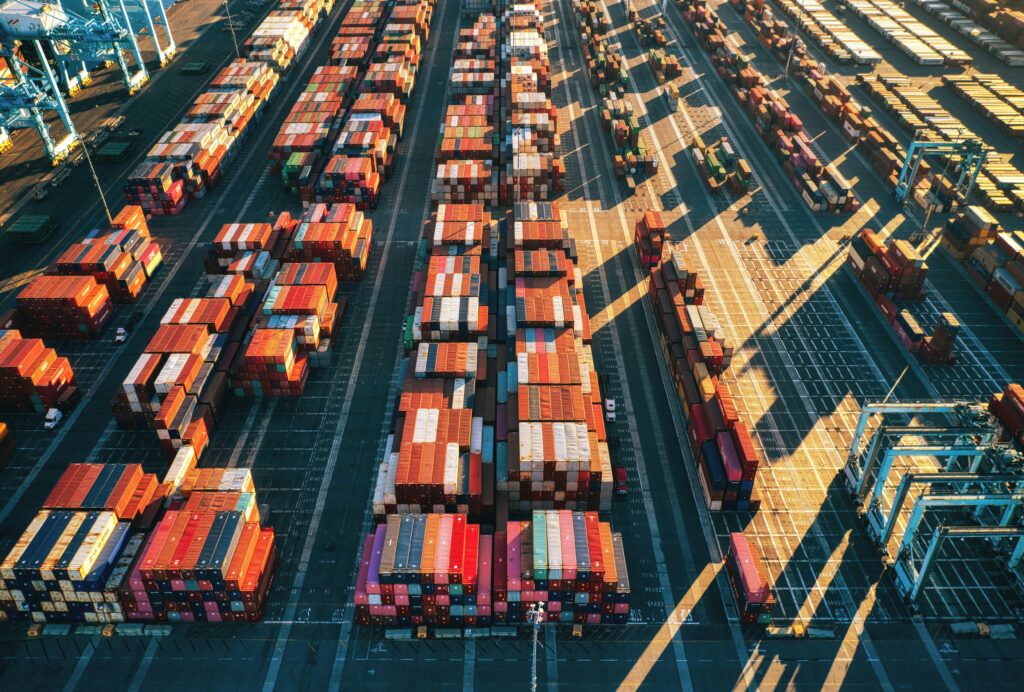
Analyzing the 1.3% Growth in U.S. Container Imports from Asia
The latest trade data for March reveals a steady climb in the volume of goods moving from Asian manufacturing hubs to United States ports. A recorded 1.3% increase in U.S. container imports from Asia highlights a consistent demand profile that continues to shape the transpacific trade lane. While this growth is modest, it signals a stabilizing market following the volatility seen in previous years.
Điểm chính cần lưu ý
- U.S. container imports from Asia saw a 1.3% increase in March compared to previous periods.
- The transpacific trade lane remains the primary driver of global ocean freight demand.
- Steady volume growth suggests a balanced supply-demand ratio for shipping capacity.
- Logistics managers should anticipate consistent equipment demand at major Asian load ports.
Impact on Transpacific Shipping Capacity and Freight Rates
A 1.3% rise in container volumes, while not a massive surge, indicates that the “soft landing” of the global economy is supporting steady consumer demand in North America. For ocean carriers, this incremental growth allows for better capacity management. We are seeing fewer blank sailings compared to periods of extreme volatility, which provides more predictable scheduling for exporters across Asia.
However, even a small percentage increase in the world’s busiest trade lane represents thousands of additional TEUs (Twenty-foot Equivalent Units) entering the system. This puts pressure on port infrastructure and inland transportation networks. With extensive experience in international freight forwarding, M.T.L closely monitors these volume shifts to provide optimized logistics solutions and ensure our clients secure space during these periods of steady growth.
Strategic Planning for Shippers in the Current Market
For procurement teams and supply chain planners, the March data suggests that the market is moving away from the extreme highs and lows of the pandemic era. This stability is an opportunity to refine inventory strategies. Rather than reacting to sudden shortages, businesses can now focus on optimizing their transit times and reducing total landed costs.
It is important to note that while the overall increase is 1.3%, specific commodity groups or regional hubs may experience higher localized growth. Shippers should maintain close communication with their logistics partners to identify potential bottlenecks before they impact the bottom line. Monitoring these incremental changes is essential for maintaining a lean and responsive supply chain.
Future Outlook for Asia-U.S. Trade Lanes
As we move further into the second quarter, the 1.3% growth in March serves as a baseline for peak season expectations. If this trend continues, we can expect a healthy peak season with manageable capacity constraints. Shippers are advised to finalize their service contracts and consider diversifying their port entries to mitigate any localized congestion that often follows steady volume increases.
Frequently Asked Questions
How much did U.S. container imports from Asia grow in March?
U.S. container imports from Asia recorded a 1.3% increase in March. This indicates a steady and resilient demand for Asian-manufactured goods in the United States market.
What does a 1.3% increase in container volume mean for shippers?
For shippers, this modest growth suggests a stabilizing market with predictable capacity. It means that while space is not currently at a critical shortage, demand remains firm, requiring consistent booking habits to ensure equipment availability.
How does rising import volume affect transpacific freight rates?
Incremental growth typically leads to more stable freight rates. While it prevents rates from crashing, it also provides carriers with enough volume to maintain current service levels without excessive blank sailings.