
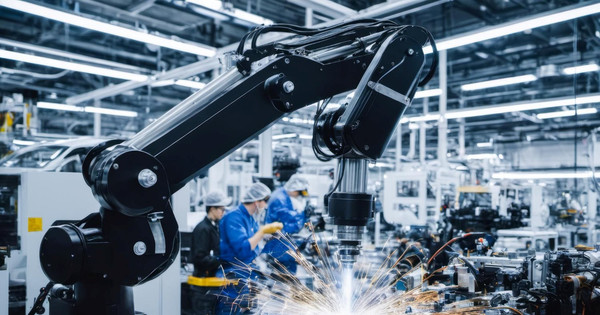
The global semiconductor industry is defined by absolute precision, where the margin for error is measured in nanometers and the cost of delay is measured in millions of dollars. As Vietnam positions itself as a rising star in the global chip ecosystem, the focus is shifting from factory construction to the underlying infrastructure that keeps production moving: semiconductor logistics Vietnam.
Key Takeaways for Supply Chain Managers
- Semiconductor logistics is a strategic production capability, not just a support function.
- Global semiconductor sales are projected to reach US$1 trillion by 2026, driving massive demand for specialized transport.
- Success in this sector requires five pillars: security, environmental control, time-criticality, compliance, and real-time data.
- Vietnam must prioritize air cargo infrastructure and specialized warehousing to attract high-value manufacturing.
The Precision Requirements of High-Tech Supply Chains
Unlike standard consumer goods, semiconductor components are highly sensitive to their environment. Production equipment is often massive, high-value, and incredibly delicate. Materials used in fabrication may be sensitive to humidity, temperature, vibration, or even minor contamination. A single mistake during transport or storage can lead to catastrophic losses and broken production flows.
Furthermore, the industry operates under a strict time logic. When a production line in a high-tech park requires a spare part, every hour of delay translates into lost output. This makes high-tech supply chain management a matter of operational survival. Logistics providers must offer more than just transport; they must provide a controlled environment that mirrors the precision of the clean rooms where the chips are born.
5 Essential Requirements for Semiconductor Logistics
1. High-Value and High-Security Logistics
Because semiconductor components and equipment are extremely valuable, they are targets for theft and fraud. Logistics providers must implement rigorous security procedures, including advanced shipment tracking, specialized seals, and highly trained personnel to ensure cargo integrity from origin to destination.
2. Strict Environmental Control
Many components are sensitive to electrostatic discharge, vibration, and dust. Maintaining a stable environment during transit requires specialized packaging and climate-controlled transport units. Monitoring devices must be used to record conditions throughout the journey to prove that the cargo remained within specified tolerances.
3. Time-Critical Logistics and Emergency Response
The “just-in-time” nature of chip manufacturing means that time-critical logistics is the standard, not the exception. This involves utilizing air cargo, express services, and maintaining spare parts warehouses in close proximity to manufacturing clusters to ensure immediate availability when a line goes down.
4. Documentation and Regulatory Compliance
High-tech trade is governed by complex export controls, licensing requirements, and rules of origin. Errors in documentation can lead to lengthy customs delays. Digital customs solutions and a deep understanding of international trade regulations are essential for maintaining the speed of the supply chain.
5. Real-Time Data and Visibility
In a modern semiconductor logistics Vietnam framework, manual updates are insufficient. Manufacturers require real-time visibility into the location and condition of their cargo. This data allows for proactive risk management and ensures that any potential disruptions are identified before they impact the production schedule.
Infrastructure Needs for Vietnam’s Semiconductor Ambitions
To move deeper into the semiconductor value chain—from design to packaging and testing—Vietnam requires a robust logistics environment. This starts with air cargo Vietnam capabilities. Most semiconductor products are small, high-value, and time-sensitive, making cargo airports and dedicated terminals the lifeblood of the industry.
Beyond the airport, specialized warehousing near high-tech industrial zones is critical. These facilities must offer temperature and humidity control, high-security zones, and advanced inventory management systems. With experience in handling complex international freight, M.T.L Worldwide Transport closely monitors these infrastructure developments to support the evolving needs of high-tech exporters.
Finally, fast-track customs and inspection services are non-negotiable. For high-tech cargo, a single day of delay at the border can disrupt global supply chains. Implementing risk-based channeling and advance data processing will be key to ensuring Vietnam remains a competitive destination for semiconductor investment.
Logistics as a Strategic Competitive Advantage
As Southeast Asia expands its manufacturing capacity to reduce supply chain concentration risks, the quality of logistics will determine which countries succeed. For Vietnam, the opportunity is clear: by building a logistics system that is precise, secure, and data-driven, the nation can move beyond simple assembly and become a core pillar of the global US$1 trillion semiconductor market.
Frequently Asked Questions
Why is air cargo critical for semiconductor logistics in Vietnam?
Semiconductor components are high-value, time-sensitive, and relatively small, making air freight the most efficient mode of transport. Fast air cargo connections ensure that production lines remain operational and that finished products reach global markets without the delays associated with sea freight.
What are the main risks in transporting semiconductor equipment?
The primary risks include physical damage from vibration, environmental contamination from dust or humidity, and security threats due to the high value of the machinery. Specialized handling, vibration-controlled transport, and strict security protocols are required to mitigate these risks.
How does specialized warehousing support the chip industry?
Specialized warehouses provide the climate-controlled environments and high-security zones necessary for sensitive components. Located near high-tech clusters, these facilities also act as hubs for urgent spare parts, ensuring that manufacturing interruptions are kept to a minimum.