
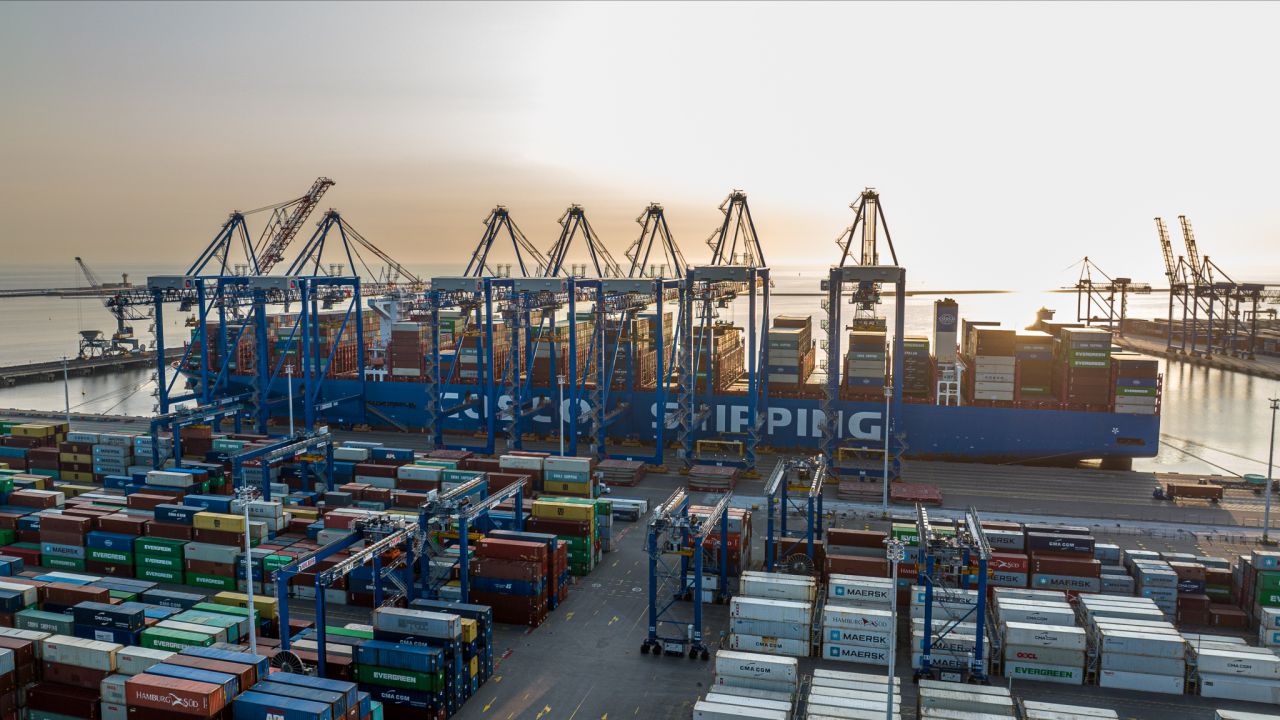
COSCO Shipping has announced a significant expansion of its Far East network through the introduction of a new direct service connecting Poland and Asia. This strategic development is designed to enhance the carrier’s presence in the Asia-Europe trade lane and provide more efficient routing options for international shippers.
Key Takeaways
- Direct Routing: New ocean freight service linking Poland directly with Asian ports.
- Network Growth: Expansion of COSCO’s Far East operational footprint to support trade demand.
- Logistics Efficiency: Direct calls reduce the reliance on transshipment for Baltic region cargo.
Enhancing the Far East Network
The launch of this direct Poland-Asia service marks a key step in COSCO Shipping’s efforts to strengthen its global maritime network. By offering a direct connection, the carrier provides a more streamlined logistics solution for importers and exporters. This expansion is a response to the evolving needs of the Asia-Europe market, where direct connectivity is increasingly valued for its reliability and efficiency.
Impact on International Logistics Planning
For logistics and procurement managers, the availability of a direct service between Poland and Asia offers several advantages. Direct calls often lead to more consistent transit times and reduced cargo handling risks compared to routes involving multiple transshipment points. M.T.L Worldwide Transport monitors these carrier network changes to help clients navigate the complexities of global trade. This new routing option allows businesses to reassess their logistics strategies between the Far East and Central Europe, potentially improving inventory management and overall supply chain predictability.
Frequently Asked Questions
What is the new COSCO Poland-Asia service?
COSCO Shipping is launching a new direct service between Poland and Asia, expanding its existing Far East network. This service provides a dedicated link designed to improve connectivity for the Central European market.
How does this impact Asia-Europe trade lanes?
The service provides a direct link that reduces the need for transshipment at intermediate hubs. This typically results in more stable transit times and enhances the overall ocean freight capacity available on the Asia-Europe corridor.
Why should logistics managers consider direct routing options?
Direct routing involves fewer port calls and less cargo handling, which can lead to more predictable schedules and a lower risk of delays. This allows procurement teams to better plan inventory cycles and stabilize their supply chains.