
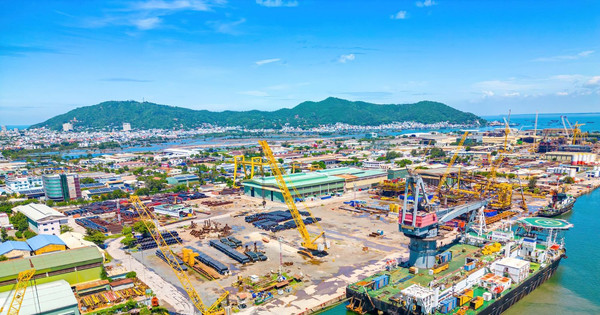
The Strategic Role of Coastal Shipping in Vietnam
In the evolving landscape of Southeast Asian trade, the integration of coastal shipping into Vietnam’s north–south distribution network has become a critical factor for operational efficiency. Domestic shipping serves as a high-capacity artery between major industrial hubs, while road transport provides the necessary capillary action to connect ports with factories and distribution warehouses. For logistics managers, the challenge lies in selecting the right port gateways based on market proximity, shipment volumes, and specific warehouse replenishment cycles.
Distinguishing Domestic Flows from Export Gateways
It is essential for trade managers to distinguish between domestic cargo movements and containers destined for international export. While both utilize the same maritime infrastructure, their service objectives differ significantly. For domestic cargo, the final destinations are regional warehouses and local customers within Vietnam. According to insights from the Vietnam Maritime and Waterway Administration shared in May 2026, transport organization remains somewhat fragmented, requiring shippers to meticulously coordinate port selection with connecting landside routes.
Operational Benchmarks and Frequency
Data from VIMC Logistics highlights the current capacity available for domestic shippers, including three weekly sailings between Hai Phong and Ho Chi Minh City. Additionally, weekly services connect the south to the north via intermediate calls at ports such as Quy Nhon and Da Nang. These frequencies allow businesses to treat the maritime leg as a regular component of their commercial operations. When compared to international benchmarks, such as the European Union’s short sea shipping which handled over 1.6 billion tonnes in 2024 with a 17.9% containerization rate, the potential for Vietnam to scale its regional maritime network is evident.
Key Takeaways for Shippers
- Inventory Balancing: Use sea services for substantial replenishment batches between origin and regional warehouses to optimize costs.
- Infrastructure Alignment: Ensure that regional warehouses have the necessary unloading positions and storage space to handle large batches arriving from port gateways.
- Route Justification: Assess additional port calls in Central Vietnam against the actual cargo volume to ensure the voyage cost is commercially justified.
- Service Verification: Always confirm the specific sailing schedules and port calls for each shipment rather than relying on general service descriptions.
At M.T.L Worldwide Transport, we emphasize that a successful distribution network requires the alignment of warehouse dispatch, port acceptance, and truck availability. By treating sea routes and landside networks as a single connected system, exporters and importers can significantly reduce the negative effects of over-reliance on road transport while maintaining a steady flow of goods across the country.
The Importance of Port Selection
A port’s handling capacity is only one part of the equation. A gateway must be assessed against factory locations and usable truck routes. A large port located too far from the final sales territory can inadvertently extend the road journey, negating the cost benefits of sea freight. Therefore, port selection should involve collaboration between transport teams and distribution managers to ensure the maritime service can be effectively absorbed by the receiving facilities.
Frequently Asked Questions
How frequent are domestic sea services between Hai Phong and Ho Chi Minh City?
Current service descriptions from VIMC Logistics list three weekly sailings between Hai Phong and Ho Chi Minh City, providing a regular schedule for north-south cargo movement.
What is the benefit of using coastal shipping for domestic distribution?
Coastal shipping is ideal for moving substantial replenishment batches between regional warehouses. This allows businesses to balance stock levels across regions using cost-effective maritime routes while reserving trucks for local, dispersed deliveries.
How should a port gateway be selected for a distribution network?
Port selection should be based on the port’s proximity to factories and regional warehouses, the availability of suitable truck routes, and the facility’s ability to receive and store large batches of cargo after discharge.