
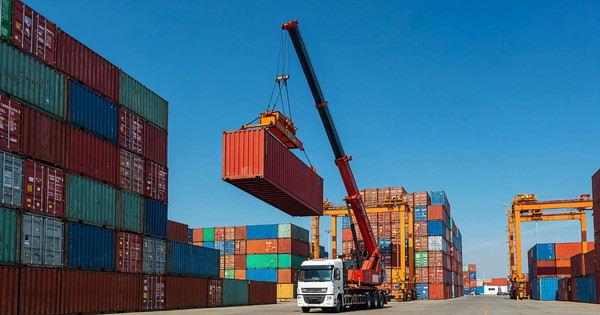
Cross-border e-commerce is transforming the landscape of international trade, offering a new gateway for Vietnamese goods to reach global consumers. However, success in this digital arena requires more than just listing products on international platforms; it demands a sophisticated logistics chain capable of handling complex fulfillment, customs, and last-mile delivery requirements.
Key Takeaways for Digital Exporters
- Shift in Scale: Modern exports are moving from large B2B containers to individual B2C parcels sent directly to overseas consumers.
- Operational Complexity: Small orders require high-level operational layers, including inventory synchronization, accurate labeling, and trackable delivery.
- Strategic Choice: Businesses must choose between direct shipping, local fulfillment warehousing, or integrated platform services based on their product type.
- Data is Critical: Accurate HS codes, product descriptions, and weight measurements are essential for customs compliance and cost control.
Beyond Containers: The New Era of Vietnamese Exports
In traditional export models, goods typically move in large lots such as containers or pallets through B2B contracts and retail chains. Cross-border e-commerce introduces a different paradigm where each order may consist of a single product or parcel sent directly to a consumer. This shift creates significant opportunities for Vietnamese small and medium-sized brands in sectors like handicrafts, fashion, cosmetics, and processed foods.
As a specialist in international freight forwarding, M.T.L Worldwide Transport closely monitors these shifting logistics requirements to help Vietnamese businesses navigate the transition from traditional bulk shipping to high-velocity digital exports. Companies no longer need to wait for large importers to test international markets; they can now leverage digital platforms to reach global audiences directly.
Small Orders Require Robust Operational Layers
While a cross-border order may appear simple to the seller, the backend operations are multifaceted. Every parcel must be stored, packed correctly, labeled, and declared for export. Weak points in this chain—such as poor packaging or incorrect HS codes—can lead to increased shipping costs, damage, or significant customs delays. In the competitive world of digital exports, a lack of tracking or unclear return policies can quickly erode customer trust.
Logistics is essentially where the promises made in digital marketing are tested. To remain competitive, Vietnamese brands must ensure that their fulfillment process is as reliable as their product quality. This involves accurate data management and a clear understanding of international transport routes to ensure timely delivery to the final destination.
Three Common Logistics Models for Global Trade
1. Direct Shipping from Vietnam
This model involves shipping goods directly from Vietnam to the overseas customer upon receiving an order. It is highly suitable for market testing, high-value products, or items with unstable demand. While it offers the advantage of limited overseas inventory and low upfront investment, it often results in longer delivery times and higher unit costs for shipping.
2. Local Fulfillment Warehousing
In this model, businesses ship goods in bulk to fulfillment centers located in or near destination markets like the United States, Europe, or Japan. When an order is placed, it is delivered domestically from the local warehouse. This significantly reduces delivery times and improves the customer experience, though it requires careful inventory forecasting and management of local taxes and storage costs.
3. Integrated Platform Services
Many businesses choose to use end-to-end services provided by integrated platforms or logistics partners. These services cover everything from warehousing and order processing to international transport and last-mile delivery. While this reduces the operational burden on the seller, it requires a careful balance of cost control and service quality monitoring.
The Critical Role of Data and Compliance
Cross-border e-commerce runs on data. Sellers must maintain visibility over inventory levels, order status, and average delivery times to avoid growing into losses. Furthermore, product data—including descriptions, materials, and origin—must be precise to satisfy customs regulations in different markets. Each country has unique rules regarding de minimis thresholds, VAT/GST, and product standards for items like food or electronics.
Compliance is not a secondary concern; it is a fundamental requirement for protecting a brand’s reputation. Logistics providers that can advise on market-specific regulations and calculate landed costs in advance provide a significant competitive advantage for Vietnamese exporters looking to scale globally.
Frequently Asked Questions
What are the main logistics models for cross-border e-commerce?
There are three primary models: direct shipping from the home country, using local fulfillment warehouses in the destination market, and utilizing integrated logistics platforms that handle the entire end-to-end process.
Why is data accuracy important in digital exports?
Accurate data, including HS codes and product descriptions, is essential for customs clearance and tax calculations. Incorrect data can lead to goods being held, fined, or returned, which damages customer trust and increases costs.
Should a small business use direct shipping or local fulfillment?
Direct shipping is often better for market testing and low volumes due to lower upfront costs. Local fulfillment is preferred for scaling in established markets because it offers faster delivery times and better customer satisfaction.