
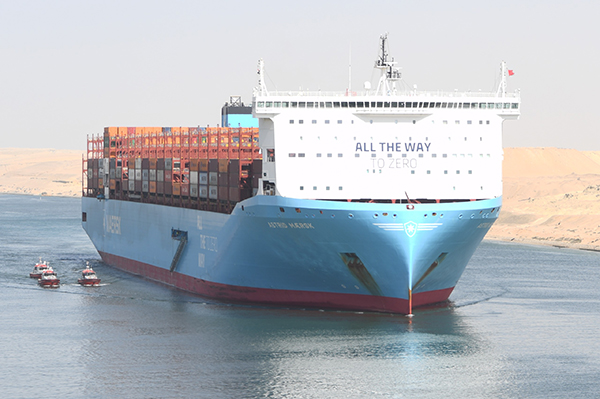
Maersk Reintroduces Melbourne Star Seasonal Export Service
Maersk has announced the resumption of its Melbourne Star seasonal export service, a strategic move aimed at addressing the fluctuating demands of the global shipping market. This service is specifically designed to provide additional capacity during peak periods, ensuring that exporters have reliable access to vessel space when it is needed most.
Key Takeaways
- Service Resumption: Maersk is bringing back the dedicated Melbourne Star seasonal string.
- Export Focus: The service is primarily positioned to support export volumes and regional trade flows.
- Capacity Management: This addition helps alleviate space constraints during high-demand seasonal windows.
- Operational Reliability: Seasonal services provide more predictable scheduling for time-sensitive commodities.
Understanding the Impact of Seasonal Shipping Services
Seasonal services like the Melbourne Star are a critical component of the ocean carrier network. Unlike year-round strings, these services are deployed to handle specific surges in cargo volume, often related to agricultural harvests, retail peak seasons, or end-of-year manufacturing cycles. By reintroducing this service, Maersk is signaling a commitment to maintaining fluid logistics chains for exporters who require consistent departures.
For procurement managers and supply chain planners, the return of a named service provides a clearer picture of available capacity. In an environment where space can often be tight, having a dedicated seasonal option allows for better inventory planning and more accurate delivery forecasting to end markets.
Strategic Implications for Global Shippers
The resumption of the Melbourne Star service allows shippers to diversify their carrier and routing options. Relying on a mix of core services and seasonal additions can help mitigate the risks of port congestion or equipment shortages. As a logistics provider monitoring global carrier networks, M.T.L observes that such seasonal adjustments are critical for maintaining fluid supply chains and preventing bottlenecks at major export hubs.
Logistics teams should evaluate their upcoming export forecasts to determine if the Melbourne Star service aligns with their required transit times and destination requirements. Early booking is often recommended for seasonal services, as they tend to attract high interest from shippers looking to secure space before the peak of the season arrives.
Navigating Capacity Changes in Ocean Freight
Carrier network changes, such as the addition or suspension of seasonal services, directly influence freight rate stability and equipment availability. When a major carrier like Maersk adds a vessel string, it can help balance the supply-demand equation, potentially easing the upward pressure on spot rates in specific trade lanes.
Exporters are encouraged to stay in close communication with their freight forwarding partners to receive the latest updates on vessel schedules and cut-off times. Understanding the nuances of seasonal service rotations is essential for avoiding delays and ensuring that cargo moves efficiently through the global maritime network.
Frequently Asked Questions
What is the Maersk Melbourne Star service?
The Melbourne Star is a specialized seasonal export service operated by Maersk, designed to provide additional vessel capacity during periods of high demand to support regional trade flows.
Why do carriers like Maersk offer seasonal services?
Carriers use seasonal services to manage peak cargo volumes, such as agricultural harvests or holiday retail surges, without overcommitting permanent capacity to the network year-round.
How does the resumption of this service affect exporters?
It provides exporters with more booking options and increased space, which can help improve schedule reliability and reduce the risk of cargo being rolled during peak shipping seasons.