
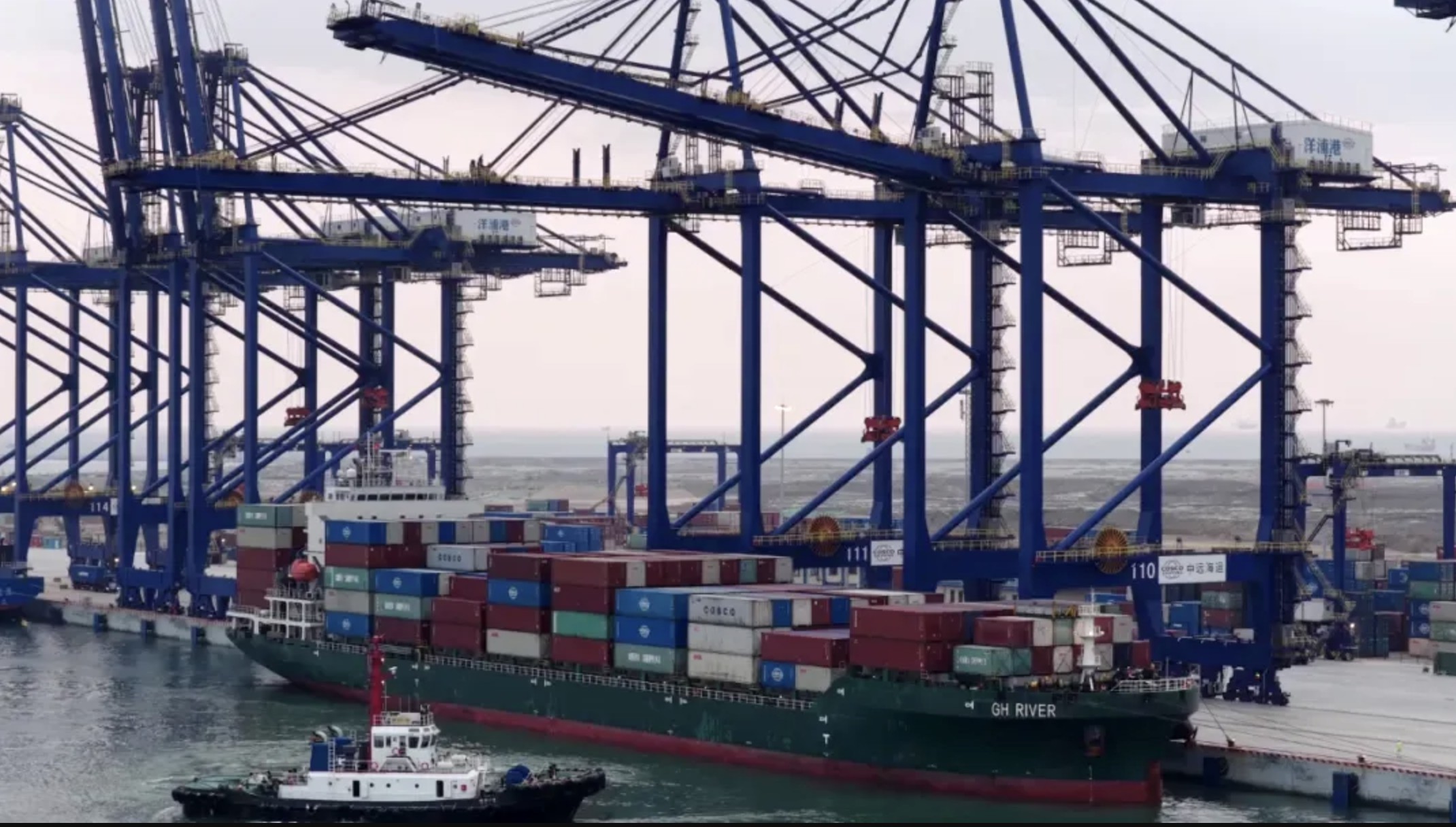
In a significant shift for regional commodity logistics, COSCO Shipping has officially commenced containerised bitumen shipments from Yangpu Port in Hainan, China. This development marks a move away from traditional bulk transport methods, offering new levels of flexibility for the petroleum and construction industries within the Asian trade network.
Key Takeaways
- New Shipping Method: COSCO has transitioned bitumen exports from bulk vessels to standardized containers at Yangpu Port.
- Strategic Hub: Yangpu Port continues to solidify its role as a critical node in the Hainan Free Trade Port system.
- Operational Flexibility: Containerisation allows for smaller shipment sizes and easier multimodal integration.
- Regional Impact: The move enhances the efficiency of specialized liquid commodity trade across Asia-Pacific routes.
The Shift to Containerised Bitumen Shipments
Traditionally, bitumen—a viscous petroleum product essential for road construction—has been transported primarily via specialized bulk carriers. While efficient for massive volumes, bulk shipping often lacks the flexibility required for smaller projects or diverse destinations. By introducing containerised bitumen shipments, COSCO Shipping is addressing a market need for more modular and accessible logistics solutions.
Containerisation allows bitumen to be packed into specialized tank containers or flexitanks within standard dry units. This method significantly reduces the reliance on large-scale port infrastructure required for bulk liquid handling, making it easier for importers to receive cargo at a wider variety of regional terminals.
Strategic Importance of Yangpu Port
Yangpu Port, located on the northwest coast of Hainan Island, is rapidly evolving into a major international gateway. As a key component of the Hainan Free Trade Port, the facility is benefiting from increased investment and streamlined customs procedures. COSCO’s decision to launch this service from Yangpu underscores the port’s growing capacity to handle specialized industrial cargo alongside standard consumer goods.
For trade managers and procurement teams, the development at Yangpu represents a strengthening of the supply chain between Southern China and the broader Southeast Asian market. As a Vietnam-based logistics provider, M.T.L Worldwide Transport tracks these regional developments to provide clients with the most efficient routing options and updated market intelligence.
Operational Advantages for Shippers
The transition to containerised freight offers several concrete benefits for logistics planners. First, it allows for “just-in-time” inventory management, as shippers are no longer required to wait for enough volume to fill an entire bulk vessel. This can lead to significant improvements in cash flow and reduced storage costs at the destination.
Furthermore, containerised shipments are inherently multimodal. Once a container of bitumen leaves Yangpu Port, it can be seamlessly transferred to rail or truck without the need for complex decanting processes. This reduces the risk of contamination and product loss during transit, ensuring that the bitumen reaches construction sites in optimal condition.
Impact on Regional Supply Chain Planning
The introduction of this service by a major carrier like COSCO suggests a broader trend toward the containerisation of niche commodities. Supply chain planners should consider how this shift might affect their current freight contracts. The availability of containerised options may provide a viable alternative during periods of bulk vessel shortage or when navigating ports with limited draft depth.
As the Hainan Free Trade Port continues to expand its service offerings, we expect to see further innovations in how industrial materials are moved across Asia. Staying informed about these changes is essential for maintaining a competitive edge in international trade and procurement.
Frequently Asked Questions
What are the benefits of shipping bitumen in containers versus bulk?
Containerised bitumen offers greater flexibility for smaller shipment sizes, easier multimodal transport via road or rail, and reduced requirements for specialized bulk port infrastructure. It also allows for better inventory control and ‘just-in-time’ delivery for construction projects.
Why is Yangpu Port significant for COSCO’s new bitumen service?
Yangpu Port is a central hub of the Hainan Free Trade Port in China. Its strategic location and upgraded facilities make it an ideal jumping-off point for COSCO to distribute specialized commodities like bitumen across the Asia-Pacific region.
How does containerisation affect bitumen logistics costs?
While the per-unit freight rate for containers can sometimes be higher than bulk, containerisation reduces costs associated with large-scale storage, specialized terminal fees, and product loss. It also allows procurement teams to book smaller quantities, reducing tied-up capital.