
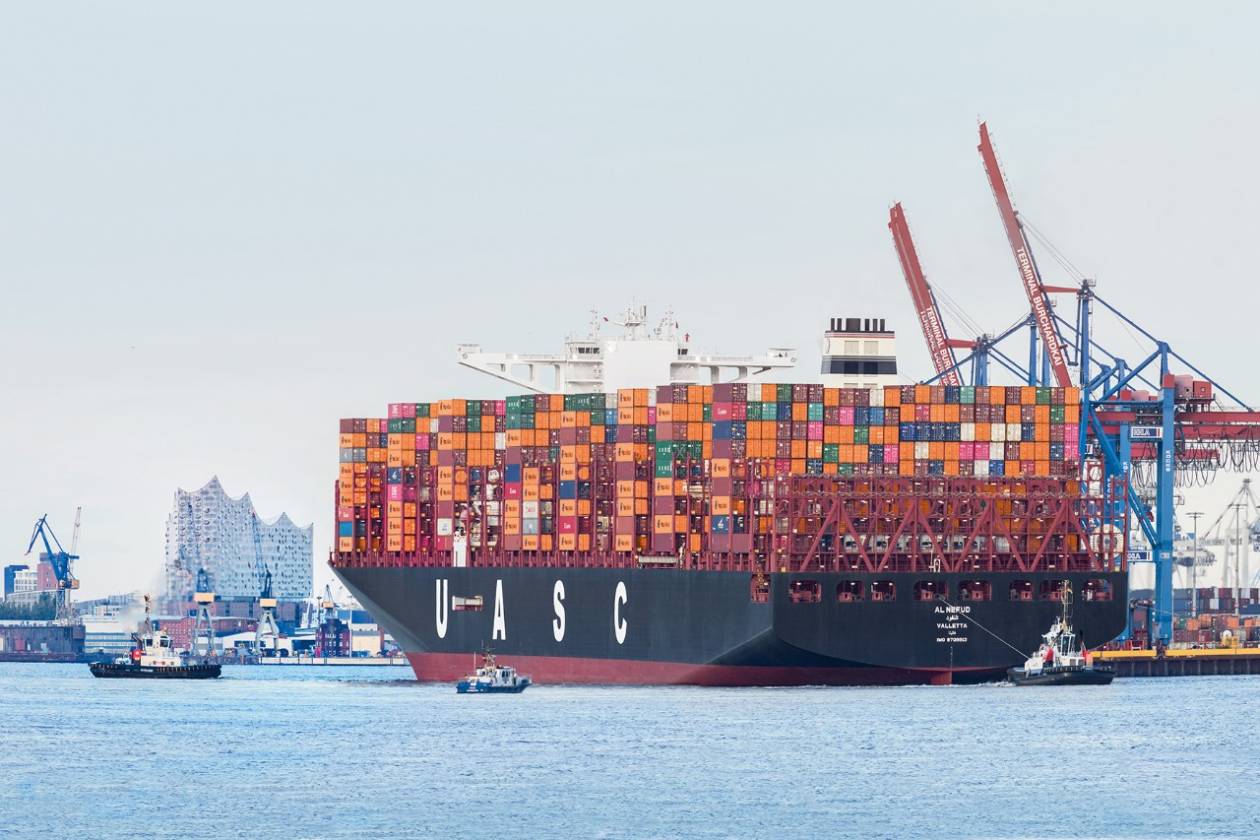
The global shipping landscape is currently witnessing significant adjustments as major carriers recalibrate their pricing structures to meet shifting market demands. Recently, Hapag-Lloyd announced an update to its Peak Season Surcharge (PSS) specifically for cargo destined for Africa. This move highlights the ongoing volatility in ocean freight rates and the necessity for trade managers to stay informed about carrier-specific adjustments that could impact their bottom line.
Key Takeaways for Africa-Bound Shippers
- Carrier Update: Hapag-Lloyd has officially revised its Peak Season Surcharge (PSS) for various routes serving the African continent.
- Regional Focus: The update specifically targets Africa-bound cargo, reflecting localized demand and operational conditions.
- Cost Management: Importers and exporters must account for these surcharges when calculating the total landed cost of goods.
- Strategic Planning: Frequent updates from major lines like Hapag-Lloyd necessitate a more agile approach to procurement and supply chain planning.
Understanding the Hapag-Lloyd PSS Update for Africa
A Peak Season Surcharge, commonly referred to as PSS, is a variable fee implemented by ocean carriers during periods of high demand. These surcharges allow carriers to cover the additional operational costs associated with increased volumes, such as port congestion, equipment imbalances, and the need for extra vessel capacity. Hapag-Lloyd’s decision to update its PSS for Africa-bound cargo is a clear indicator that the trade lanes serving this region are experiencing specific pressure points.
For procurement teams and trade managers, understanding the mechanics of these surcharges is essential. Unlike base freight rates, which may be negotiated in long-term contracts, surcharges like the PSS are often more fluid and can be adjusted with relatively short notice. This latest update from Hapag-Lloyd serves as a reminder that the cost of shipping to emerging markets in Africa remains subject to rapid change based on global economic cycles and regional logistics constraints.
Why Carriers Implement Peak Season Surcharges
The implementation of a PSS is rarely a random occurrence. Carriers like Hapag-Lloyd monitor a variety of data points before announcing such updates. In the context of Africa, several factors often contribute to the necessity of a surcharge. These include seasonal spikes in consumer demand, infrastructure limitations at key African ports, and the logistical complexity of managing return containers from the continent. When demand exceeds the available supply of vessel space, carriers use the PSS as a mechanism to manage capacity and maintain service levels.
Furthermore, the global maritime industry is currently navigating a complex environment characterized by fluctuating fuel prices and shifting trade patterns. As a company specializing in international freight forwarding, M.T.L Worldwide Transport closely monitors these carrier updates to ensure our clients have the most current information for their budgeting and routing decisions. Understanding the “why” behind these surcharges helps shippers better anticipate future market movements and adjust their procurement strategies accordingly.
Strategic Implications for Trade Managers and Procurement
For those managing supply chains that involve African destinations, the Hapag-Lloyd PSS update is more than just a line item on an invoice; it is a strategic variable. When surcharges increase, it can significantly impact the competitiveness of products in the local market. Procurement teams must work closely with their logistics partners to evaluate whether the current routing and carrier mix remain the most cost-effective options.
One of the primary challenges with PSS updates is the timing. Often, these surcharges are applied based on the date the cargo is loaded onto the vessel, not the date the booking was made. This can lead to unexpected costs if a shipment is delayed at the port of origin. To mitigate this risk, experienced trade managers often build a “buffer” into their logistics budgets to account for potential surcharge fluctuations during peak periods.
Best Practices for Managing Africa-Bound Cargo
Navigating the complexities of African trade requires a proactive approach. Shippers should consider diversifying their carrier base to avoid over-reliance on a single line’s pricing structure. While Hapag-Lloyd is a major player, other carriers may have different surcharge schedules or capacity availability. Additionally, maintaining high visibility over the entire shipping process allows managers to identify potential delays early and make informed decisions about whether to expedite shipments before new surcharges take effect.
Another critical practice is the regular review of all shipping documentation and carrier bulletins. Carrier announcements regarding PSS updates are usually published on their official websites or sent via customer advisories. Staying ahead of these announcements is the first step in effective cost control. By analyzing the frequency and magnitude of these updates, supply chain planners can develop more robust financial models for their international operations.
The Role of Freight Forwarders in a Volatile Market
In an environment where surcharges like the Hapag-Lloyd PSS can change frequently, the role of a knowledgeable freight forwarder becomes indispensable. Forwarders act as an intermediary between the shipper and the carrier, providing a layer of expertise that can help navigate the nuances of carrier pricing. They can provide insights into which carriers are currently offering the most stable rates and which routes are less likely to be impacted by sudden surcharge increases.
Ultimately, the goal for any international shipper is to maintain a balance between cost, speed, and reliability. Updates to the PSS for Africa-bound cargo are a natural part of the shipping cycle, but they do require careful attention. By staying informed and working with experienced logistics professionals, businesses can continue to successfully reach their customers in Africa despite the challenges of a dynamic global market.
Frequently Asked Questions
What is a Peak Season Surcharge (PSS) in shipping?
A Peak Season Surcharge (PSS) is an additional fee imposed by ocean carriers during periods of high demand. It is designed to cover the extra operational costs associated with increased cargo volumes and capacity constraints.
Why did Hapag-Lloyd update its PSS for Africa?
Hapag-Lloyd updates its PSS to reflect current market conditions, demand spikes, and operational challenges on specific trade lanes. For Africa-bound cargo, this often relates to seasonal demand and port infrastructure limitations.
How can shippers stay updated on Hapag-Lloyd surcharge changes?
Shippers should regularly monitor official carrier advisories, subscribe to industry newsletters, and maintain close communication with their freight forwarding partners to receive timely updates on rate and surcharge changes.